Table of Contents
Skid loader selection becomes clearer when the project question is specific: planning daily material handling. A loading cycle depends on approach distance and discharge height as well as the amount held in the bucket. This guide to a skid loader shows which evidence to collect, how to compare equipment packages and where to request clarification before committing to a machine.
Skid loader: set a practical boundary for the comparison
A loading cycle depends on approach distance and discharge height as well as the amount held in the bucket.
This skid loader assessment focuses on planning daily material handling. The three items to resolve first are cycle route, dump height, material density. Separate essential requirements from preferences. A supplier should explain a deviation openly so the buyer can assess its effect on work, transport or maintenance.
Understand the equipment and its limits
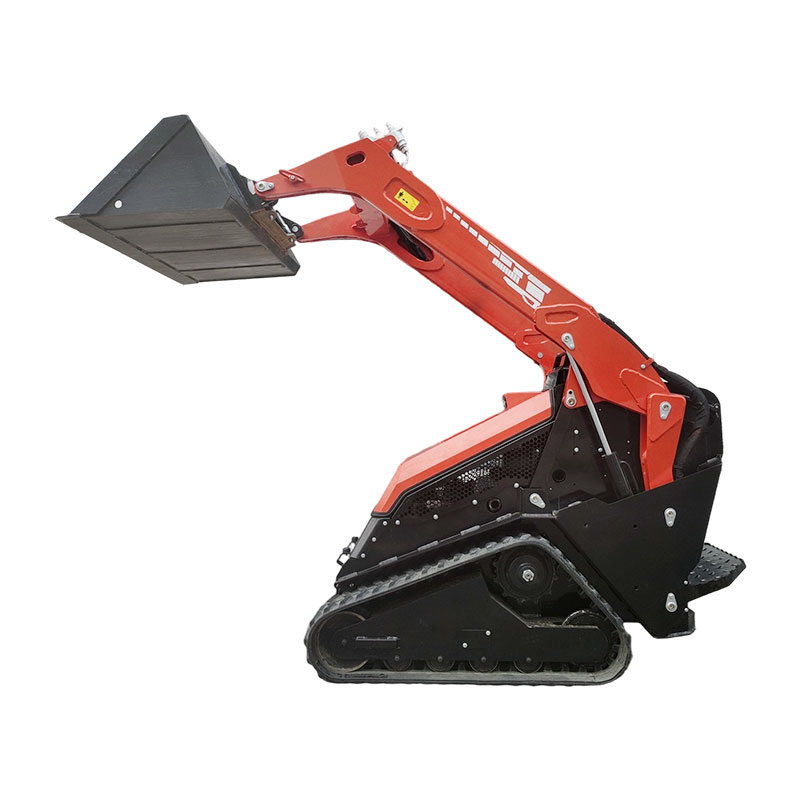
A compact loader uses a lift system and interchangeable work tools to handle material and perform site tasks. Wheels and tracks change travel behaviour and maintenance requirements. Bucket volume, tipping load and rated operating capacity are different measurements, so compare like-for-like definitions and identify the attachment used for each published rating.
When evaluating a skid loader, distinguish the standard product from the final ordered configuration. Check the receiving height, forward clearance and available space at the loading point. A loader that fits the entrance may still be unable to discharge into the intended vehicle. Powered attachments introduce another set of requirements: flow, pressure, return arrangement and electrical control must all be compatible with the actual carrier.
Compare the skid loader specification
Use this table as an inquiry worksheet. A blank answer means that information is still needed; it is not evidence that the requirement has been met.
| Decision point | Evidence to request | How to compare |
|---|---|---|
| Cycle route | A dated record identifying cycle route for the proposed configuration | Use the same units and operating assumptions for every offer |
| Dump height | Written confirmation covering dump height and any exclusions | Record any difference in scope before comparing the price |
| Material density | A drawing, manual entry or demonstration addressing material density | Resolve missing or conflicting information before acceptance |
Check cycle route before accepting a configuration
The first part of planning daily material handling is establishing cycle route. Ask the supplier to identify the configuration to which the answer applies, then compare it with your own project information. If the answer only describes a product family, request the model-specific version.
Next, address dump height and material density together. These checks should support the same skid loader decision rather than sit in separate quotations with conflicting assumptions. The limiting factor may be access, supporting equipment or a service arrangement. Resolve it before comparing extra power or nominal output that the site cannot use.
Evaluate skid loader performance with a relevant demonstration
Evaluate a full material-handling cycle with a representative load and tool. Record the approach, loading, travel, discharge and return stages. Keep pedestrians outside the working area under an appropriate site plan. A quick unloaded lift does not demonstrate loaded capacity, stability or the sustained output of a working crew.
For this project, retain evidence of cycle route, dump height, material density with the test record. Judge the result by material delivered to the receiving point. List remaining uncertainties instead of converting one demonstration into a guaranteed output figure.

Plan skid loader service and parts support
Compare access to filters, cooling surfaces and the drive system. On tracked machines, obtain undercarriage references and replacement arrangements; on wheeled equipment, identify approved tyre specifications. Keep model revisions and attachment interfaces in the parts register so a later purchase does not rely on an incomplete product name.
Assign a person to retain the accepted skid loader configuration, support contacts and replacement-part references. Update the record whenever a component or option changes. This connects the purchase decision to the equipment that the crew actually receives.
Compare skid loader costs on the same scope
Budget the carrier, tools, transport and maintenance separately. A low annual workload may make support and storage more important than a small difference in peak output. For frequent travel, compare the expected tyre or undercarriage expenses on the actual surface instead of assuming one drive system is always cheaper.
For planning daily material handling, include the cost consequences of cycle route and dump height. Keep material density explicit in the commercial or technical schedule. Treat an unpriced requirement as an open item rather than assuming it is free.
Confirm project limits and supporting references
Respect the manufacturer's rated capacity and attachment restrictions. Track traction does not guarantee sufficient bearing capacity on weak ground, and a larger bucket does not raise the permissible payload. Operating practices, slopes and load handling require the manual and an appropriate site assessment.
For general terminology, see the skid-steer loader overview. This reference explains the equipment category; the selected machine’s manual and configuration documents determine its operating requirements.
Request a skid loader configuration review
Explore Wanli’s Skid Steer Loader range and the V1000 High Performance Loader product page to identify possible configurations. A listed product is a starting point for discussion, not a promise that every option described in this article is available.
Send Wanli your project location, intended work and the information available on cycle route, dump height, material density. Ask for a skid loader proposal that states the configuration, included equipment, delivery scope and support terms. Use the inquiry form below or contact the equipment team to discuss the remaining requirements.
Frequently asked questions
What information starts a skid loader inquiry?
Provide cycle route, dump height, material density, together with the project location and work requirement. These details help distinguish a suitable configuration from a generic product recommendation.
Can bucket volume be used as the load rating?
No. Bucket volume is a geometric measure. Permitted loading also depends on material density, attachment mass and the machine-specific rated operating capacity.
How should I compare skid loader offers?
Use the same requirements for cycle route and dump height. Record differences in material density, included accessories, support and delivery before comparing total prices.
When evaluating a skid loader, can a demonstration replace documents?
No. A demonstration is useful when its configuration and conditions are recorded. Keep the applicable manual, specifications and written answers on cycle route as well.
What details matter in a quote for a skid loader?
Confirm the exact configuration, scope, support terms and unresolved points related to planning daily material handling. Obtain written confirmation of options rather than assuming every catalogue variant is included.