Table of Contents
Well drilling rig selection becomes clearer when the project question is specific: planning mast clearance on constrained sites. The space needed for setup and rod handling can exceed the machine's travel envelope. This guide to a well drilling rig shows which evidence to collect, how to compare equipment packages and where to request clarification before committing to a machine.
Well drilling rig: turn the work requirement into an acceptance condition
The space needed for setup and rod handling can exceed the machine's travel envelope.
This well drilling rig assessment focuses on planning mast clearance on constrained sites. The three items to resolve first are mast height, working radius, overhead survey. Choose evidence that can be checked before dispatch or during an agreed trial. Keep the test configuration in the record so results remain meaningful if the model or tool changes.
Understand the equipment and its limits
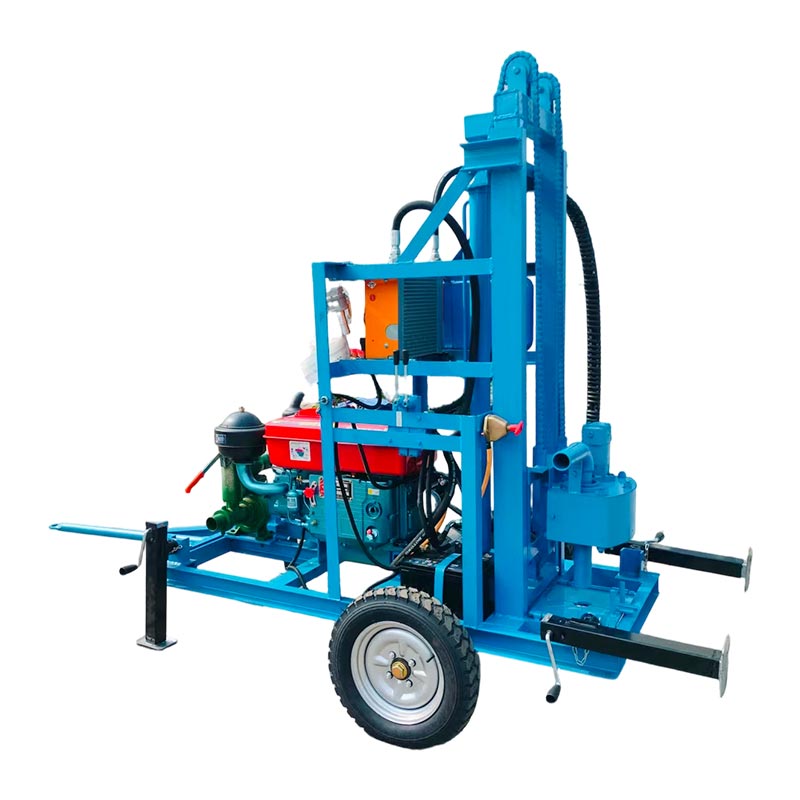
A drilling rig is part of a system that includes tooling, rods, flushing equipment and support logistics. The formation and planned borehole design influence the drilling method. A stated maximum depth does not promise that the rig will complete every bore of that depth or produce a particular water yield.
When evaluating a well drilling rig, distinguish the standard product from the final ordered configuration. Review rotation, feed and pullback information together with rod and tooling dimensions. Air-based and fluid-based methods create different support requirements. Ask whether the quotation includes the compressor or pump needed by the proposed method. Confirm the chassis and mast configuration in writing when the descriptive text and product images are not fully consistent.
Compare the well drilling rig specification
Use this table as an inquiry worksheet. A blank answer means that information is still needed; it is not evidence that the requirement has been met.
| Decision point | Evidence to request | How to compare |
|---|---|---|
| Mast height | A dated record identifying mast height for the proposed configuration | Use the same units and operating assumptions for every offer |
| Working radius | Written confirmation covering working radius and any exclusions | Record any difference in scope before comparing the price |
| Overhead survey | A drawing, manual entry or demonstration addressing overhead survey | Resolve missing or conflicting information before acceptance |
Check mast height before accepting a configuration
The first part of planning mast clearance on constrained sites is establishing mast height. Ask the supplier to identify the configuration to which the answer applies, then compare it with your own project information. If the answer only describes a product family, request the model-specific version.
Next, address working radius and overhead survey together. These checks should support the same well drilling rig decision rather than sit in separate quotations with conflicting assumptions. State which dimensions and operating requirements are confirmed and which still need a site check. An unresolved assumption should be visible before a configuration is accepted.
Evaluate well drilling rig performance with a relevant demonstration
Ask for evidence from a comparable formation and a clearly identified configuration. Record tooling, bore diameter, support equipment and the circumstances of the demonstration. A free-running rotation video cannot establish drilling performance. Where direct testing is not possible, list the untested conditions and obtain a technical review before committing to the package.
For this project, retain evidence of mast height, working radius, overhead survey with the test record. Judge the result by verified progress under the stated formation conditions. List remaining uncertainties instead of converting one demonstration into a guaranteed output figure.
Plan well drilling rig service and parts support
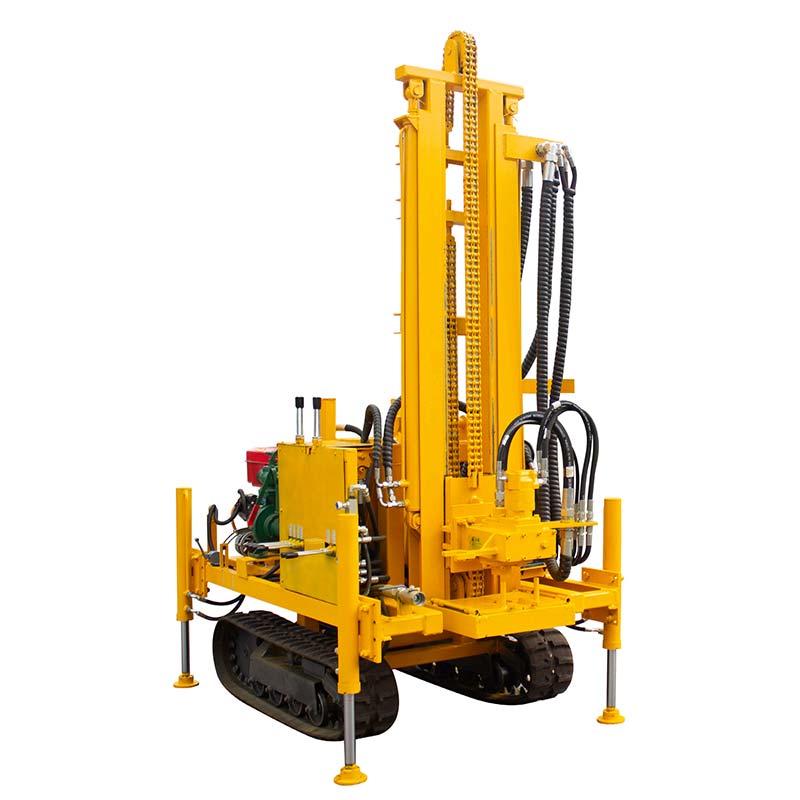
Identify the rods, connections, bits and wear items expected for the intended work. Standardize part references before building local stock. The maintenance plan should include engine or electrical equipment, hydraulic components and the support system. Qualified drilling personnel should direct tooling changes and fault investigation.
Assign a person to retain the accepted well drilling rig configuration, support contacts and replacement-part references. Update the record whenever a component or option changes. This connects the purchase decision to the equipment that the crew actually receives.
Compare well drilling rig costs on the same scope
Compare a complete drilling package, including support equipment, tooling, transport and commissioning. Separate equipment purchase from well-design and completion work. A smaller rig price can conceal substantial accessory requirements, especially when the compressor, rods or material-handling equipment are outside the supplier's quoted scope.
For planning mast clearance on constrained sites, include the cost consequences of mast height and working radius. Keep overhead survey explicit in the commercial or technical schedule. Treat an unpriced requirement as an open item rather than assuming it is free.
Confirm project limits and supporting references
Well design, groundwater conditions and water suitability need qualified local assessment. Equipment selection does not establish permission to drill or guarantee potable water. Site-specific operating procedures and the rig manual govern setup and use; a residential application does not make professional well construction a household DIY task.
For general terminology, see the water well background. This reference explains the equipment category; the selected machine’s manual and configuration documents determine its operating requirements.
Request a well drilling rig configuration review
Explore Wanli’s Water Well Drill range and the JSL-150 Compact High Torque Drilling Rig product page to identify possible configurations. A listed product is a starting point for discussion, not a promise that every option described in this article is available.
Send Wanli your project location, intended work and the information available on mast height, working radius, overhead survey. Ask for a well drilling rig proposal that states the configuration, included equipment, delivery scope and support terms. Use the inquiry form below or contact the equipment team to discuss the remaining requirements.
Frequently asked questions
What information starts a well drilling rig inquiry?
Provide mast height, working radius, overhead survey, together with the project location and work requirement. These details help distinguish a suitable configuration from a generic product recommendation.
Does the published depth guarantee a successful well?
No. Depth capability depends on configuration and ground conditions. Water yield and quality depend on the site and completed well, not just the rig.
How should I compare well drilling rig offers?
Use the same requirements for mast height and working radius. Record differences in overhead survey, included accessories, support and delivery before comparing total prices.
When evaluating a well drilling rig, can a demonstration replace documents?
No. A demonstration is useful when its configuration and conditions are recorded. Keep the applicable manual, specifications and written answers on mast height as well.
What details matter in a quote for a well drilling rig?
Confirm the exact configuration, scope, support terms and unresolved points related to planning mast clearance on constrained sites. Obtain written confirmation of options rather than assuming every catalogue variant is included.