
Table of Contents
Concrete pump selection becomes clearer when the project question is specific: matching placement demand to the supply chain. A pump can only sustain placement when concrete supply and receiving crews can support the planned rate. This guide shows which evidence to collect, how to compare equipment packages and where to request clarification before committing to a machine.
Concrete pump: start with the decision that changes the specification
A pump can only sustain placement when concrete supply and receiving crews can support the planned rate.
This concrete pump assessment focuses on matching placement demand to the supply chain. The three items to resolve first are supply rate, placement rate, route layout. Freeze the required outcome before discussing optional equipment. An attractive extra only belongs in the quote if it supports a named job or a documented support requirement.
Understand the equipment and its limits
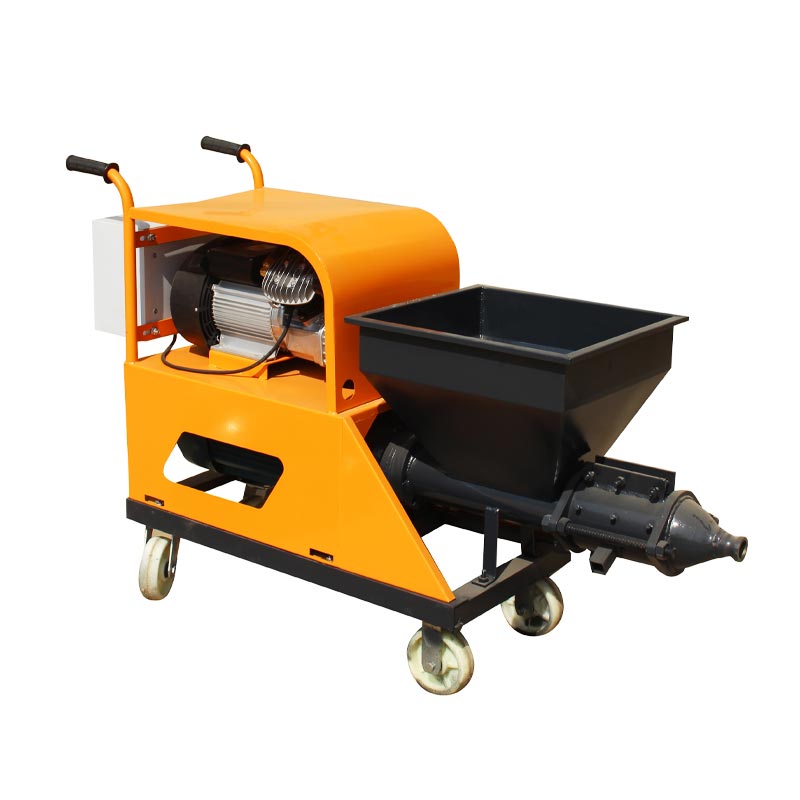
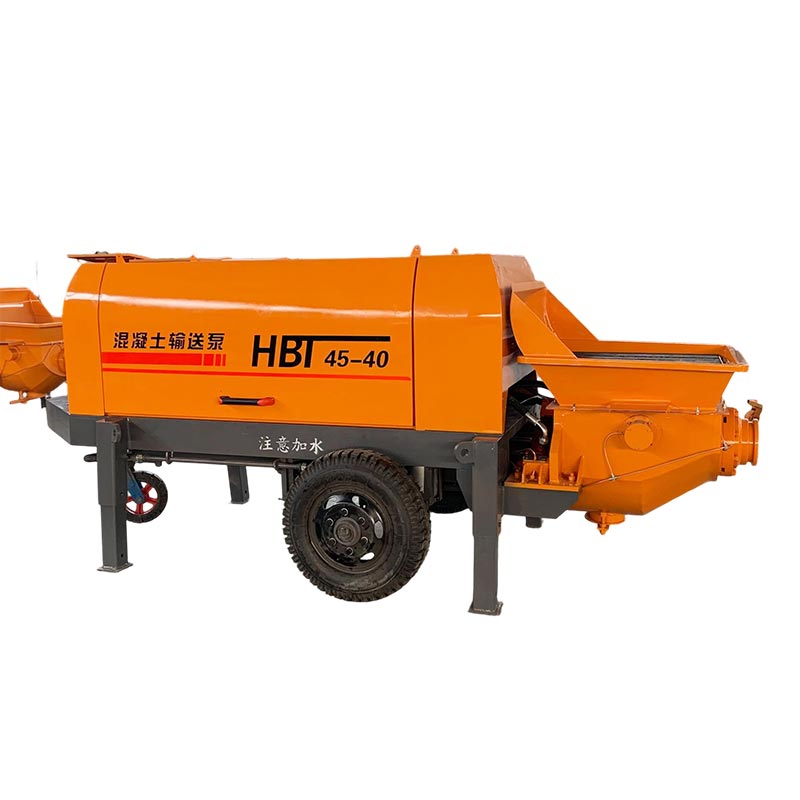
A concrete pump moves suitable material through a delivery system. Mix characteristics, pipeline layout and the required placement rate all affect selection. Maximum pressure and maximum output are not automatically simultaneous capabilities, and a quoted distance is meaningful only with its stated material and route conditions.
When evaluating a concrete pump, distinguish the standard product from the final ordered configuration. Provide a route sketch showing horizontal travel, elevation and bends. Ask the supplier to assess the specified mix and aggregate grading against the pump and delivery system. Keep hydraulic-system ratings separate from material-line ratings. Where power options are offered, confirm the exact electrical supply or engine configuration.
Compare the concrete pump specification
Use this table as an inquiry worksheet. A blank answer means that information is still needed; it is not evidence that the requirement has been met.
| Decision point | Evidence to request | How to compare |
|---|---|---|
| Supply rate | A dated record identifying supply rate for the proposed configuration | Use the same units and operating assumptions for every offer |
| Placement rate | Written confirmation covering placement rate and any exclusions | Record any difference in scope before comparing the price |
| Route layout | A drawing, manual entry or demonstration addressing route layout | Resolve missing or conflicting information before acceptance |
Check supply rate before accepting a configuration
The first part of matching placement demand to the supply chain is establishing supply rate. Ask the supplier to identify the configuration to which the answer applies, then compare it with your own project information. If the answer only describes a product family, request the model-specific version.
Next, address placement rate and route layout together. These checks should support the same concrete pump decision rather than sit in separate quotations with conflicting assumptions. Choose evidence that can be checked before dispatch or during an agreed trial. Keep the test configuration in the record so results remain meaningful if the model or tool changes.
Evaluate concrete pump performance with a relevant demonstration
A representative acceptance review identifies the mix, pipe arrangement and operating point. Record stable delivery and the support required to maintain the agreed placement process. Supply interruptions or insufficient finishing capacity can limit the project even when the machine has adequate output. Establish responsibilities before scheduling the pour.
For this project, retain evidence of supply rate, placement rate, route layout with the test record. Judge the result by material delivered at the agreed placement conditions. List remaining uncertainties instead of converting one demonstration into a guaranteed output figure.

Plan concrete pump service and parts support
Identify wear components and the inspection process for the delivery system. Obtain the maintenance and cleaning instructions for the actual machine. Blockages and pressurized components require trained personnel and the approved procedures; a procurement article is not a substitute for those instructions.
Assign a person to retain the accepted concrete pump configuration, support contacts and replacement-part references. Update the record whenever a component or option changes. This connects the purchase decision to the equipment that the crew actually receives.
Compare concrete pump costs on the same scope
Compare the pump and the full delivery package together. Include piping, accessories, transport, commissioning and planned wear parts. A trailer configuration may also require a separate check of towing suitability. Keep assumed utilization and downtime visible instead of attaching an unsupported universal saving to pumping.
For matching placement demand to the supply chain, include the cost consequences of supply rate and placement rate. Keep route layout explicit in the commercial or technical schedule. Treat an unpriced requirement as an open item rather than assuming it is free.
Confirm project limits and supporting references
The complete line and fittings must be suitable for the rated service. Do not prescribe a blockage-clearing method from a general article or treat a product name as proof of mix compatibility. Use qualified pumping personnel, the equipment manual and the site's approved arrangements.
For general terminology, see the concrete pump overview. This reference explains the equipment category; the selected machine’s manual and configuration documents determine its operating requirements.
Request a concrete pump configuration review
Explore Wanli’s Concrete Pump range and the Concrete Pump product page to identify possible configurations. A listed product is a starting point for discussion, not a promise that every option described in this article is available.
Send Wanli your project location, intended work and the information available on supply rate, placement rate, route layout. Ask for a concrete pump proposal that states the configuration, included equipment, delivery scope and support terms. Use the inquiry form below or contact the equipment team to discuss the remaining requirements.
Frequently asked questions
What information starts a concrete pump inquiry?
Provide supply rate, placement rate, route layout, together with the project location and work requirement. These details help distinguish a suitable configuration from a generic product recommendation.
Can any concrete mix be pumped through a small unit?
No. The supplier must confirm compatibility with the mix, aggregate grading and line configuration. A compact size or broad product label does not establish suitability.
How should I compare concrete pump offers?
Use the same requirements for supply rate and placement rate. Record differences in route layout, included accessories, support and delivery before comparing total prices.
When evaluating a concrete pump, can a demonstration replace documents?
No. A demonstration is useful when its configuration and conditions are recorded. Keep the applicable manual, specifications and written answers on supply rate as well.
What details matter in a quote for a concrete pump?
Confirm the exact configuration, scope, support terms and unresolved points related to matching placement demand to the supply chain. Obtain written confirmation of options rather than assuming every catalogue variant is included.