
Table of Contents
Mini excavator selection becomes clearer when the project question is specific: planning a mixed-attachment fleet. A contractor switching between digging and grading needs a clear division between carrier capability and attachment capability. This guide shows which evidence to collect, how to compare equipment packages and where to request clarification before committing to a machine.
Mini excavator: start with the decision that changes the specification
A contractor switching between digging and grading needs a clear division between carrier capability and attachment capability.
This mini excavator assessment focuses on planning a mixed-attachment fleet. The three items to resolve first are attachment weights, duty hours, coupling dimensions. Freeze the required outcome before discussing optional equipment. An attractive extra only belongs in the quote if it supports a named job or a documented support requirement.

Understand the equipment and its limits
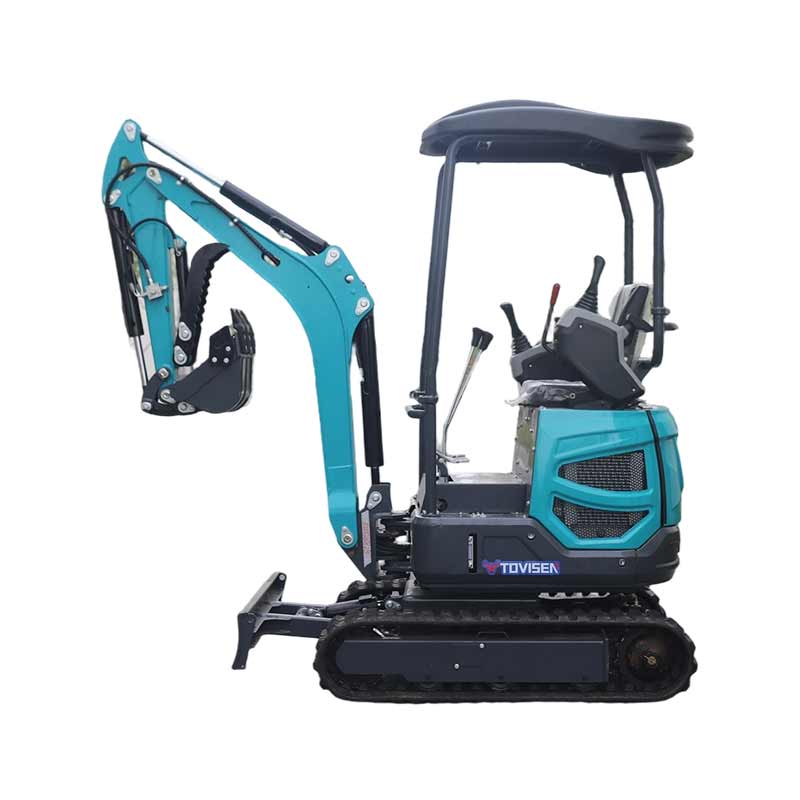
An excavator combines a travelling undercarriage with an upper structure, boom, arm and work tool. Digging reach, working width and attachment suitability describe different parts of its capability. A nominal tonnage is a starting point for comparison, not a substitute for the configured operating mass or the machine-specific working diagram.
When evaluating a mini excavator, distinguish the standard product from the final ordered configuration. Read the working envelope alongside the site survey. Maximum digging depth alone does not establish a useful trench profile, and maximum reach does not establish an approved lifting capacity. Ask for the documentation applicable to the chosen boom, counterweight and attachment. If a task involves lifting, require the relevant load information and approved equipment instead of deriving a limit from bucket size.
Compare the mini excavator specification
Use this table as an inquiry worksheet. A blank answer means that information is still needed; it is not evidence that the requirement has been met.
| Decision point | Evidence to request | How to compare |
|---|---|---|
| Attachment weights | A dated record identifying attachment weights for the proposed configuration | Use the same units and operating assumptions for every offer |
| Duty hours | Written confirmation covering duty hours and any exclusions | Record any difference in scope before comparing the price |
| Coupling dimensions | A drawing, manual entry or demonstration addressing coupling dimensions | Resolve missing or conflicting information before acceptance |
Check attachment weights before accepting a configuration
The first part of planning a mixed-attachment fleet is establishing attachment weights. Ask the supplier to identify the configuration to which the answer applies, then compare it with your own project information. If the answer only describes a product family, request the model-specific version.
Next, address duty hours and coupling dimensions together. These checks should support the same mini excavator decision rather than sit in separate quotations with conflicting assumptions. Choose evidence that can be checked before dispatch or during an agreed trial. Keep the test configuration in the record so results remain meaningful if the model or tool changes.
Evaluate mini excavator performance with a relevant demonstration
Use a representative bucket or attachment and document the ground and work pattern. Observe how digging, repositioning and loading fit together. Record the time spent waiting or moving as well as useful work. A demonstration in loose material should not be presented as evidence of the same output in compacted or rocky ground.
For this project, retain evidence of attachment weights, duty hours, coupling dimensions with the test record. Judge the result by completed excavation or handling work. List remaining uncertainties instead of converting one demonstration into a guaranteed output figure.
Plan mini excavator service and parts support
Daily access to filters, grease points and inspection areas affects whether maintenance is practical for a small crew. Request the correct service schedule and illustrated parts information. For hoses and hydraulic components, the applicable pressure and connection specification matters more than a visual match. Fault diagnosis and repairs should follow the manufacturer's instructions.
Assign a person to retain the accepted mini excavator configuration, support contacts and replacement-part references. Update the record whenever a component or option changes. This connects the purchase decision to the equipment that the crew actually receives.
Compare mini excavator costs on the same scope
Keep the carrier, work tools and transport requirements as separate lines in the budget. Include commissioning, routine service supplies and storage. Compare machine configurations using the same expected workload; otherwise an apparently cheaper unit may simply include fewer attachments or a different engine option.
For planning a mixed-attachment fleet, include the cost consequences of attachment weights and duty hours. Keep coupling dimensions explicit in the commercial or technical schedule. Treat an unpriced requirement as an open item rather than assuming it is free.
Confirm project limits and supporting references
The equipment plan must account for underground utilities, ground support and separation of people from machine movement. A product photo or general article cannot determine whether a particular excavation or lifting task is safe. Use the machine manual and a competent site assessment for operating limits.
For general terminology, see the compact excavator overview. This reference explains the equipment category; the selected machine’s manual and configuration documents determine its operating requirements.
Request a mini excavator configuration review
Explore Wanli’s Mini Excavator range and the 25K 2 Ton Mini Excavator product page to identify possible configurations. A listed product is a starting point for discussion, not a promise that every option described in this article is available.
Send Wanli your project location, intended work and the information available on attachment weights, duty hours, coupling dimensions. Ask for a mini excavator proposal that states the configuration, included equipment, delivery scope and support terms. Use the inquiry form below or contact the equipment team to discuss the remaining requirements.
Frequently asked questions
What information starts a mini excavator inquiry?
Provide attachment weights, duty hours, coupling dimensions, together with the project location and work requirement. These details help distinguish a suitable configuration from a generic product recommendation.
Which working dimensions should be checked first?
Check access width, working clearance, required reach and the configured transport dimensions. Verify all values against the selected model and attachment.
How should I compare mini excavator offers?
Use the same requirements for attachment weights and duty hours. Record differences in coupling dimensions, included accessories, support and delivery before comparing total prices.
When evaluating a mini excavator, can a demonstration replace documents?
No. A demonstration is useful when its configuration and conditions are recorded. Keep the applicable manual, specifications and written answers on attachment weights as well.
What details matter in a quote for a mini excavator?
Confirm the exact configuration, scope, support terms and unresolved points related to planning a mixed-attachment fleet. Obtain written confirmation of options rather than assuming every catalogue variant is included.