Welcome to the Wanli Machinery Blog!
We share industry insights, equipment guides, and practical tips on construction machinery, engineering equipment, pneumatic tools, and landscaping machinery to help you make better equipment decisions.
👉 Follow Wanli Machinery on Facebook for the latest product updates, project cases, industry news, and expert knowledge. Stay connected with our global community and never miss new content.
Thank you for reading and welcome to explore more articles from Wanli Machinery!
Table of Contents
Introduction
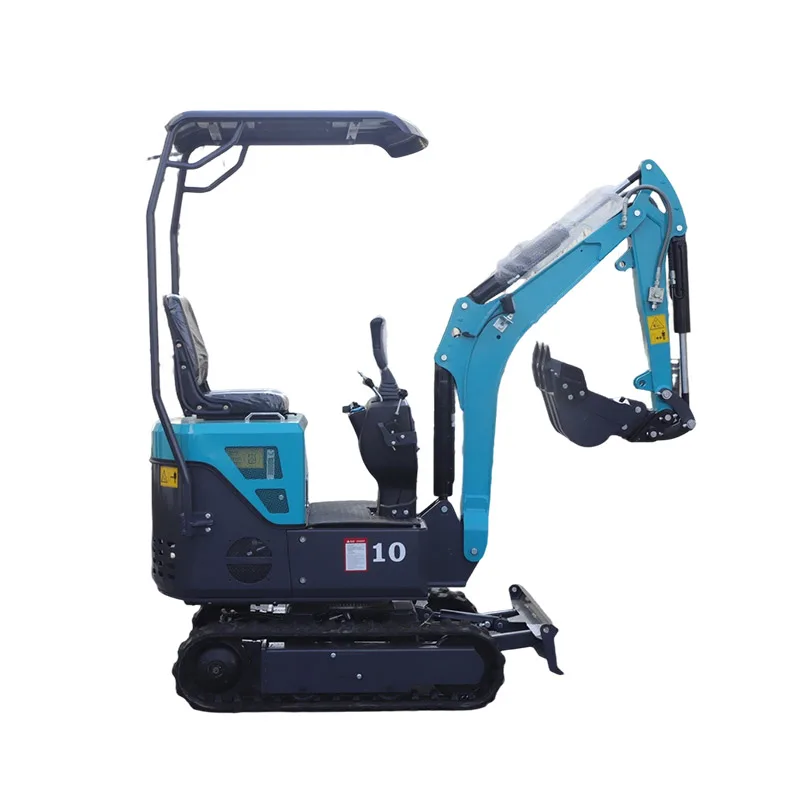
Buying your first excavator can feel overwhelming. With dozens of brands, specifications, attachment options, and price ranges available, many buyers struggle to determine which machine truly fits their needs. A wrong purchase can lead to reduced productivity, higher operating costs, limited job-site flexibility, and unnecessary maintenance expenses.
The good news is that not every project requires a large excavator. In fact, many landscaping contractors, utility installers, farm owners, rental businesses, and small construction companies are discovering that a 1 ton mini excavator offers the perfect balance between performance, mobility, versatility, and cost-efficiency.
According to industry reports from global construction equipment associations, demand for compact construction machinery has grown steadily over the past decade as urbanization, infrastructure maintenance, residential construction, and landscaping projects increasingly require equipment capable of working in confined spaces. Compact excavators have become one of the fastest-growing segments of the construction equipment market because they can perform many tasks traditionally completed by larger machines while reducing transportation and operating costs.
In this comprehensive guide, you’ll learn:
- What a 1 ton mini excavator is
- Who should buy one
- Typical applications and industries
- Key specifications that matter
- Important buying considerations
- Common mistakes new buyers make
- Attachment options and their uses
- How to compare different models
- Why the 10Q 1 Ton Mini Excavator stands out
- Frequently asked questions from first-time buyers
Whether you’re starting a construction business, expanding a rental fleet, managing landscaping projects, or looking for a versatile machine for agricultural work, this guide will help you make an informed purchasing decision.
What Is a 1 Ton Mini Excavator?
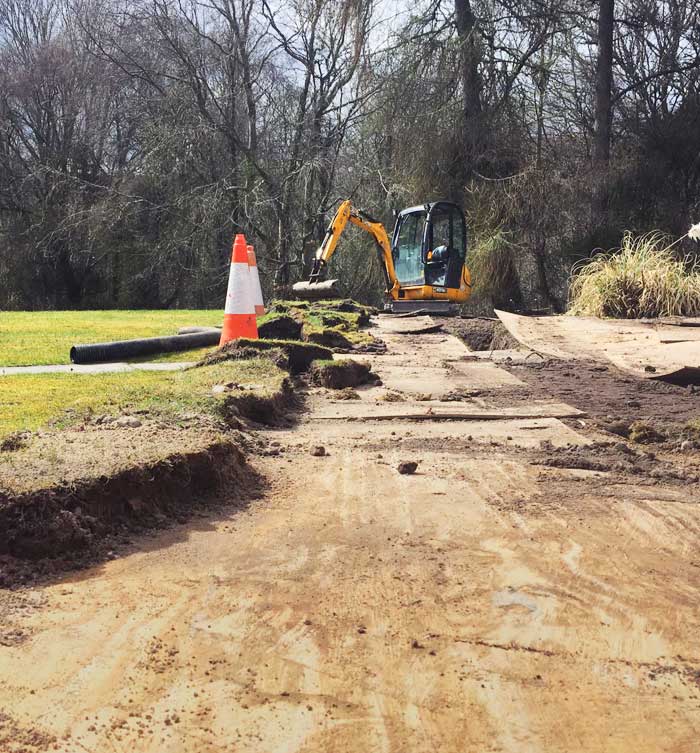
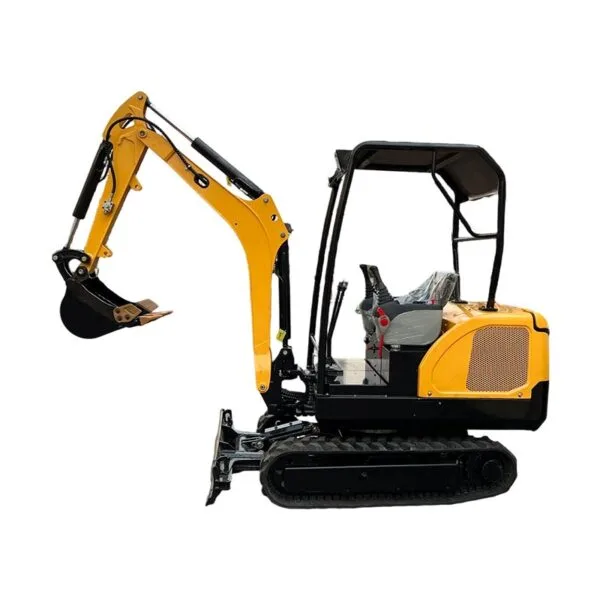
A 1 ton mini excavator is a compact hydraulic excavation machine with an operating weight of approximately 1,000 kg. Despite its small size, it can perform digging, trenching, lifting, grading, demolition, and material handling tasks across various industries.
Unlike full-size excavators that often require specialized transportation and large working areas, compact excavators are specifically designed for restricted spaces, residential sites, and projects where maneuverability is critical.
Key Characteristics
Compact Dimensions
The machine’s narrow width allows access to areas where larger equipment simply cannot enter.
Examples include:
- Residential backyards
- Indoor renovation sites
- Estufas
- Urban construction zones
- Projetos de manutenção municipal
Hydraulic Power
Modern hydraulic systems generate substantial digging force while maintaining smooth and precise operation.
Multi-Function Capability
With the proper attachment, one machine can perform numerous tasks throughout the year.
Easy Transportation
Most 1-ton excavators can be transported using light trailers and standard towing vehicles, reducing logistics costs.
Why Is the Demand for Compact Excavators Growing?
Several industry trends are driving increased demand for compact machinery.
Urban Construction Expansion
As cities become denser, construction projects increasingly occur in confined locations where large equipment cannot operate efficiently.
Rising Labor Costs
Contractors seek equipment that improves productivity without requiring large crews.
Increased Infrastructure Maintenance
Municipal governments worldwide are investing heavily in utility repairs, drainage improvements, and public infrastructure upgrades.
Landscaping Industry Growth
The global landscaping market continues expanding due to rising investments in residential and commercial outdoor spaces.
Rental Market Expansion
Compact excavators are among the most frequently rented construction machines due to their versatility and ease of operation.
Common Applications of a Mini escavadeira de 1 tonelada
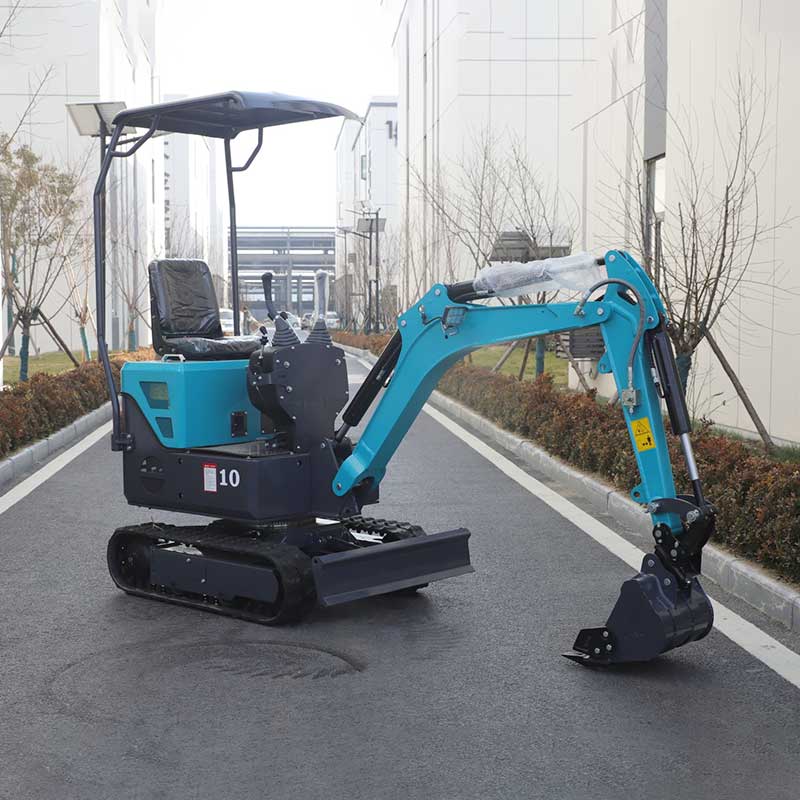
The versatility of compact excavators makes them suitable for a wide range of projects.
Paisagismo
Landscaping remains one of the largest application sectors.
Typical tasks include:
- Plantio árvores
- Garden preparation
- Retaining wall installation
- Pond excavation
- Irrigation trenching
- Land grading
Residential Construction
Contractors frequently use compact excavators for:
- Foundation preparation
- Utility installation
- Backyard renovation
- Pool excavation
- Fence construction
Agriculture
Farm owners benefit from compact excavators for:
- Drainage improvement
- Fence post installation
- Ditch maintenance
- Land clearing
- Tree management
Utility Installation
Mini excavators are widely used for:
- Electrical cable trenches
- Water line installation
- Fiber optic networks
- Sewer maintenance
Municipal Projects
Public works departments utilize compact equipment for:
- Sidewalk repairs
- Drainage maintenance
- Park construction
- Street infrastructure upgrades
Understanding the Core Components
Before purchasing a machine, buyers should understand the major components that influence performance.
Sistema Motor
The engine serves as the machine’s power source.
A quality engine provides:
- Consistent power delivery
- Lower fuel consumption
- Reduced emissions
- Improved reliability
The 10Q model utilizes reliable engine options capable of delivering up to 13.5 HP while maintaining efficient fuel usage.
Sistema Hidráulico
The hydraulic system directly affects digging performance.
Key components include:
- Hydraulic cylinders
- Hydraulic pump
- Control valves
- Hydraulic hoses
- Sealing systems
High-quality systems provide smoother operation and greater longevity.
Undercarriage
The undercarriage supports machine stability and mobility.
Components include:
- Rubber tracks
- Rollers
- Track frame
- Drive motors
Working Equipment
The working equipment includes:
- Boom
- Arm
- Bucket
- Dozer blade
These components determine digging reach, lifting capability, and operational flexibility.
What Specifications Matter Most?
Many first-time buyers focus solely on machine weight. However, several specifications play equally important roles.
Peso Operacional
The 10Q has an operating weight of 1000 kg.
Benefits include:
- Enhanced stability
- Better traction
- Easier transportation
- Lower ground pressure
Digging Depth
Maximum digging depth: 1736 mm
This determines how deep the machine can excavate efficiently.
Digging Radius
Maximum digging radius: 3063 mm
Greater reach reduces repositioning and improves productivity.
Digging Height
Maximum digging height: 2701 mm
Important for loading trucks and handling materials.
Digging Force
Maximum digging force: 6 KN
Higher digging force allows operation in compacted soil and tougher ground conditions.
Climbing Ability
Maximum climbing angle: 30°
This specification improves machine mobility on uneven terrain.
Comparison: Mini escavadeira de 1 tonelada vs Larger Excavators
| Característica | Mini escavadeira de 1 tonelada | Mid-Size Excavator | Large Excavator |
|---|---|---|---|
| Access to Tight Areas | Excellent | Moderate | Limited |
| Consumo Combustível | Low | Medium | High |
| Transportation Cost | Low | Medium | High |
| Landscaping Efficiency | Excellent | Good | Poor |
| Residential Projects | Excellent | Good | Limited |
| Heavy Earthmoving | Limited | Good | Excellent |
| Purchase Investment | Lower | Moderate | Higher |
| Operating Complexity | Easy | Moderate | Advanced |
For many small-to-medium projects, compact excavators deliver the best overall value.
The Importance of Hydraulic Performance
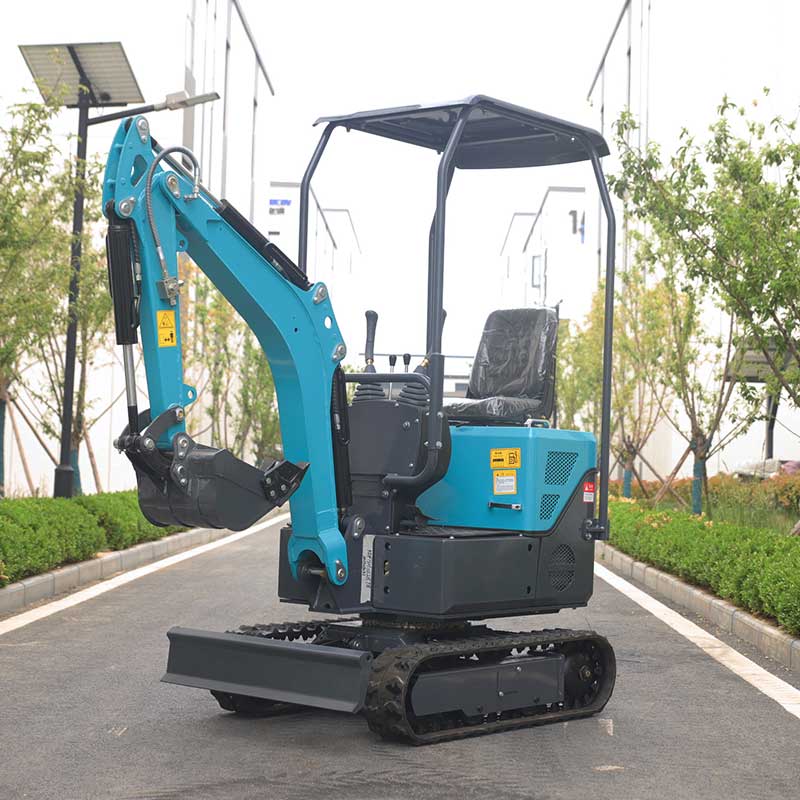
A common mistake among first-time buyers is underestimating hydraulic quality.
Why Hydraulics Matter
Hydraulics control:
- Digging
- Lifting
- Swinging
- Attachment operation
- Travel functions
Poor hydraulic performance results in:
- Reduced productivity
- Slower cycle times
- Increased maintenance costs
Hydraulic Advantages of the 10Q
The 10Q features:
- Cilindros hidráulicos importados
- NOK sealing technology
- High-performance plunger pump
- Reliable hydraulic hoses
- Smooth control response
These features improve operational efficiency and reliability.
360° Rotation: Why It Matters
Many new buyers focus only on digging specifications while overlooking swing capability.
The 10Q offers full 360-degree upper body rotation.
Benefits
Faster Cycle Times
Operators can move materials without repositioning the machine.
Better Access
Allows efficient operation in confined work zones.
Reduced Wear
Less machine movement reduces track wear and fuel consumption.
Improved Productivity
Projects can be completed more quickly.
Why Durability Should Be a Top Priority
Construction equipment often operates in harsh environments.
Common Causes of Equipment Wear
- Moisture exposure
- Abrasive soil
- Impact loads
- Continuous vibration
- Weather conditions
Construction Features of the 10Q
The machine incorporates:
- Thickened steel structure
- Reinforced frame design
- Corrosion-resistant molding process
- Wear-resistant engineering rubber tracks
These features help extend service life and reduce maintenance requirements.
Standard Configuration of the 10Q
| Component | Especificação |
| Motor | Briggs & Stratton / KOOP |
| Hydraulic Cylinders | Imported with NOK Seals |
| Pump | Plunger Pump |
| Seat | Rear Tilting Adjustable Seat |
| Blade | Lâmina Dozer Ajustável |
| Tracks | Engineering Rubber Tracks |
| Bucket | Standard Bucket |
| Canopy | Standard Safety Canopy |
Optional Attachments and Their Uses
One machine can perform multiple tasks through attachment changes.
| Attachment | Main Application |
| Disjuntor Hidráulico | Concrete demolition |
| Broca Auger | Hole drilling |
| Estripador | Hard soil loosening |
| Grapple | Log handling |
| Ancinho | Site cleaning |
| Balde Lama | Soft ground excavation |
| Balde Grande | Bulk material movement |
Which Attachment Should You Choose?
For Landscaping
Recommended:
- Ancinho
- Auger
- Standard bucket
For Demolition
Recommended:
- Hydraulic breaker
- Reinforced bucket
For Agriculture
Recommended:
- Auger
- Grapple
- Estripador
For Utility Installation
Recommended:
- Narrow trenching bucket
- Standard bucket
Common Mistakes First-Time Buyers Make
Choosing Based Only on Price
Low-cost machines often generate higher long-term ownership costs.
Ignoring Hydraulic Quality
Hydraulic performance directly impacts productivity.
Overlooking Service Support
Parts availability and technical support are essential.
Buying Oversized Equipment
Larger equipment increases transportation, fuel, and maintenance expenses.
Not Considering Attachments
Attachments significantly expand machine capabilities.
Why the 10Q Mini Excavator Is a Smart Investment
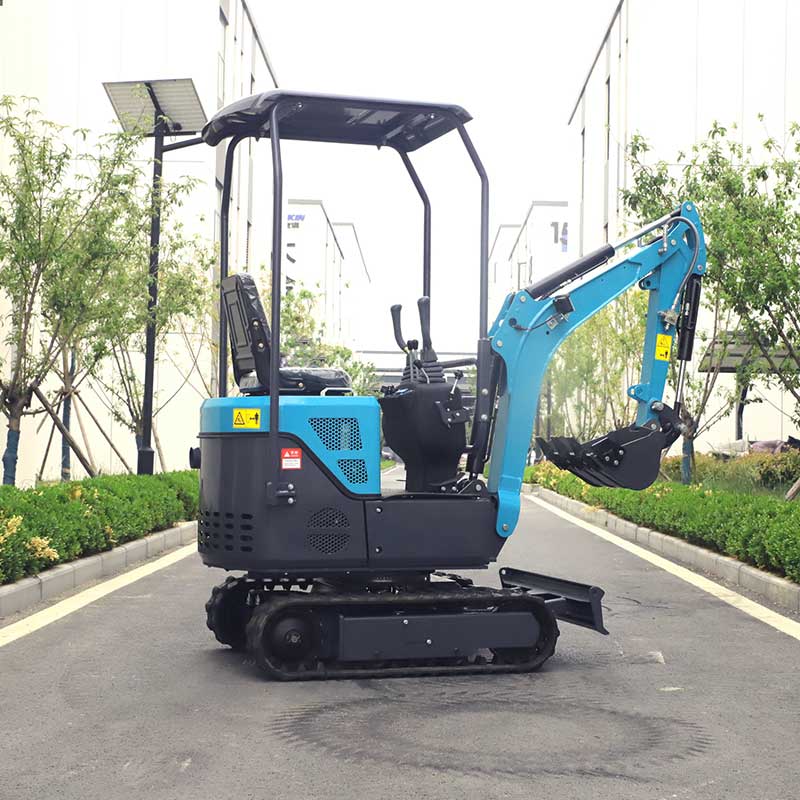
The 10Q combines:
- Compact dimensions
- Professional-grade performance
- Reliable hydraulic technology
- Durable construction
- Multiple attachment options
- Easy transportation
- Excellent maneuverability
For contractors handling landscaping, utility installation, municipal maintenance, or residential construction, it offers an outstanding balance of productivity and versatility.
Industry Standards and Certifications
When evaluating construction equipment, buyers should prioritize manufacturers following internationally recognized standards.
Important certifications include:
- ISO 9001 Quality Management
- CE Certification
- Machinery Safety Standards
- Hydraulic Component Quality Standards
Machines produced under certified manufacturing systems generally provide greater consistency and reliability.
Future Trends in Compact Excavators
The compact equipment industry continues evolving.
Key trends include:
Smart Machine Monitoring
Remote diagnostics and telematics are becoming increasingly common.
Improved Fuel Efficiency
Manufacturers continue reducing operating costs through engine optimization.
Multi-Function Platforms
Attachment compatibility continues expanding machine versatility.
Sustainable Construction
Compact equipment helps reduce environmental impact through lower fuel consumption and reduced site disturbance.
Final Thoughts
Purchasing your first excavator is a significant investment, but selecting the right machine can provide years of reliable service and strong returns.
A 1 ton mini excavator remains one of the most practical choices for contractors, landscapers, utility installers, municipalities, and agricultural users who require flexibility, mobility, and efficiency.
Among the available options, the 10Q Mini Excavator stands out through its durable steel construction, advanced hydraulic system, 360° rotation capability, reliable engine options, and broad attachment compatibility. Its combination of performance, compact dimensions, and professional-grade features makes it an excellent solution for small-to-medium projects where productivity and maneuverability are equally important.
FAQ
Is a 1 ton mini excavator powerful enough for professional work?
Yes. Modern compact excavators are widely used by professional contractors for landscaping, trenching, demolition, utility installation, and site preparation projects.
How deep can a 1 ton mini excavator dig?
The 10Q can reach a maximum digging depth of 1736 mm, making it suitable for most residential and light commercial applications.
Can a beginner operate a mini excavator?
Most operators can learn basic controls relatively quickly. Proper training and safety procedures are always recommended before operation.
What is the biggest advantage of a compact excavator?
Its ability to access restricted areas while maintaining strong digging performance is often considered the greatest advantage.
Are rubber tracks better than steel tracks?
For landscaping, residential construction, and urban projects, rubber tracks generally provide better surface protection and lower maintenance requirements.
Can I use different attachments on the same machine?
Yes. Compatible attachments allow a compact excavator to perform drilling, demolition, grading, lifting, and material handling tasks.
Is a 1 ton mini excavator suitable for farm work?
Absolutely. Many farms use compact excavators for drainage, fencing, tree planting, trenching, and land maintenance.
How long can a quality mini excavator last?
With proper maintenance, quality construction, and correct operation, a compact excavator can provide thousands of productive working hours.
What should I check before buying?
Evaluate hydraulic performance, engine reliability, digging specifications, attachment compatibility, structural durability, warranty support, and parts availability.
Why choose the 10Q Mini Excavator?
The 10Q offers an ideal combination of compact size, strong digging capability, durable construction, reliable hydraulics, multiple attachment options, and professional-grade performance for small-to-medium projects.