
Table of Contents
Skid steer loader selection becomes clearer when the project question is specific: reading capacity ratings correctly. Rated operating capacity, tipping load and bucket volume describe different limits and should not be interchanged. This guide shows which evidence to collect, how to compare equipment packages and where to request clarification before committing to a machine.
Skid steer loader: describe the task in measurable terms
Rated operating capacity, tipping load and bucket volume describe different limits and should not be interchanged.
This skid steer loader assessment focuses on reading capacity ratings correctly. The three items to resolve first are rating definition, test configuration, attachment mass. Attach site dimensions, material details and the work sequence to the inquiry. A shared description reduces the risk that suppliers price different solutions to the same short request.
Understand the equipment and its limits
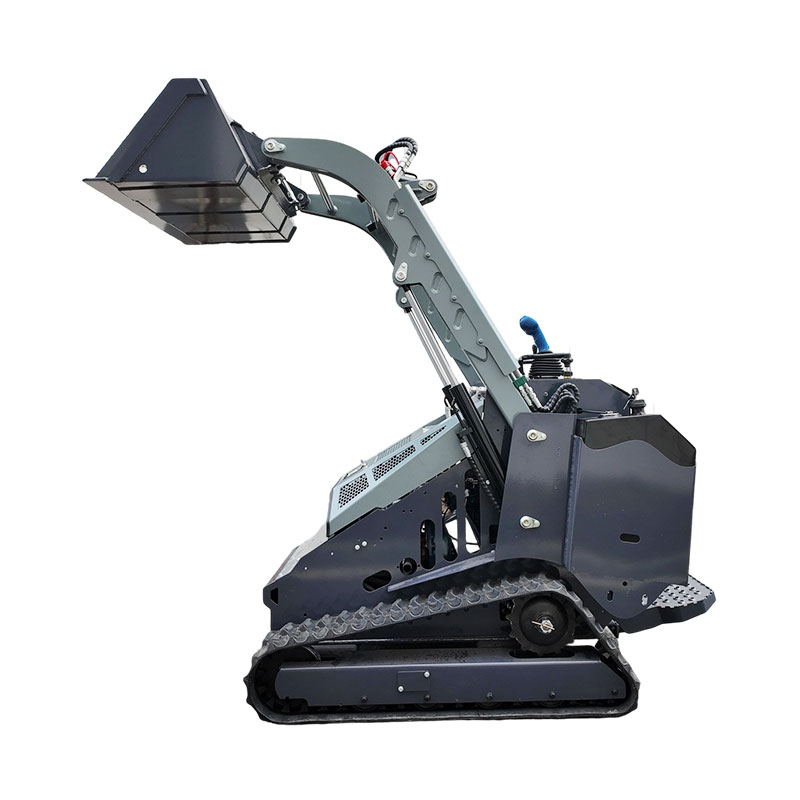
A compact loader uses a lift system and interchangeable work tools to handle material and perform site tasks. Wheels and tracks change travel behaviour and maintenance requirements. Bucket volume, tipping load and rated operating capacity are different measurements, so compare like-for-like definitions and identify the attachment used for each published rating.
When evaluating a skid steer loader, distinguish the standard product from the final ordered configuration. Check the receiving height, forward clearance and available space at the loading point. A loader that fits the entrance may still be unable to discharge into the intended vehicle. Powered attachments introduce another set of requirements: flow, pressure, return arrangement and electrical control must all be compatible with the actual carrier.
Compare the skid steer loader specification
Use this table as an inquiry worksheet. A blank answer means that information is still needed; it is not evidence that the requirement has been met.
| Decision point | Evidence to request | How to compare |
|---|---|---|
| Rating definition | A dated record identifying rating definition for the proposed configuration | Use the same units and operating assumptions for every offer |
| Test configuration | Written confirmation covering test configuration and any exclusions | Record any difference in scope before comparing the price |
| Attachment mass | A drawing, manual entry or demonstration addressing attachment mass | Resolve missing or conflicting information before acceptance |
Check rating definition before accepting a configuration
The first part of reading capacity ratings correctly is establishing rating definition. Ask the supplier to identify the configuration to which the answer applies, then compare it with your own project information. If the answer only describes a product family, request the model-specific version.
Next, address test configuration and attachment mass together. These checks should support the same skid steer loader decision rather than sit in separate quotations with conflicting assumptions. A product specification describes a machine under stated conditions. The complete work result also includes labour, material supply, ground conditions and time spent moving between tasks.
Evaluate skid steer loader performance with a relevant demonstration
Evaluate a full material-handling cycle with a representative load and tool. Record the approach, loading, travel, discharge and return stages. Keep pedestrians outside the working area under an appropriate site plan. A quick unloaded lift does not demonstrate loaded capacity, stability or the sustained output of a working crew.
For this project, retain evidence of rating definition, test configuration, attachment mass with the test record. Judge the result by material delivered to the receiving point. List remaining uncertainties instead of converting one demonstration into a guaranteed output figure.
Plan skid steer loader service and parts support
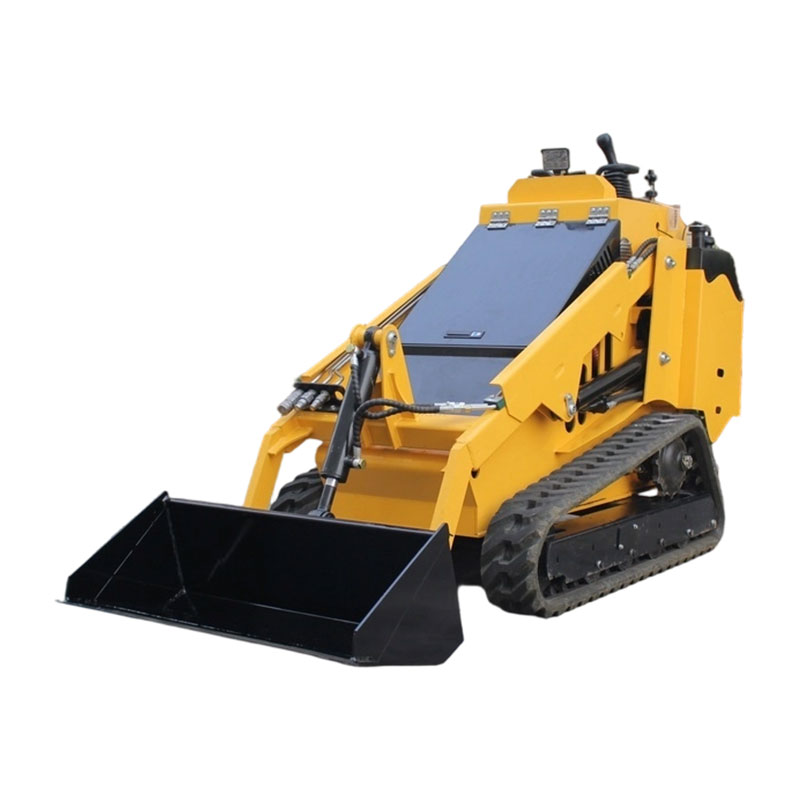
Compare access to filters, cooling surfaces and the drive system. On tracked machines, obtain undercarriage references and replacement arrangements; on wheeled equipment, identify approved tyre specifications. Keep model revisions and attachment interfaces in the parts register so a later purchase does not rely on an incomplete product name.
Assign a person to retain the accepted skid steer loader configuration, support contacts and replacement-part references. Update the record whenever a component or option changes. This connects the purchase decision to the equipment that the crew actually receives.
Compare skid steer loader costs on the same scope
Budget the carrier, tools, transport and maintenance separately. A low annual workload may make support and storage more important than a small difference in peak output. For frequent travel, compare the expected tyre or undercarriage expenses on the actual surface instead of assuming one drive system is always cheaper.
For reading capacity ratings correctly, include the cost consequences of rating definition and test configuration. Keep attachment mass explicit in the commercial or technical schedule. Treat an unpriced requirement as an open item rather than assuming it is free.
Confirm project limits and supporting references
Respect the manufacturer's rated capacity and attachment restrictions. Track traction does not guarantee sufficient bearing capacity on weak ground, and a larger bucket does not raise the permissible payload. Operating practices, slopes and load handling require the manual and an appropriate site assessment.
For general terminology, see the skid-steer loader overview. This reference explains the equipment category; the selected machine’s manual and configuration documents determine its operating requirements.
Request a skid steer loader configuration review
Explore Wanli’s Skid Steer Loader range and the Chargeur compact industriel V800 product page to identify possible configurations. A listed product is a starting point for discussion, not a promise that every option described in this article is available.
Send Wanli your project location, intended work and the information available on rating definition, test configuration, attachment mass. Ask for a skid steer loader proposal that states the configuration, included equipment, delivery scope and support terms. Use the inquiry form below or contact the equipment team to discuss the remaining requirements.
Frequently asked questions
What information starts a skid steer loader inquiry?
Provide rating definition, test configuration, attachment mass, together with the project location and work requirement. These details help distinguish a suitable configuration from a generic product recommendation.
Can bucket volume be used as the load rating?
No. Bucket volume is a geometric measure. Permitted loading also depends on material density, attachment mass and the machine-specific rated operating capacity.
How should I compare skid steer loader offers?
Use the same requirements for rating definition and test configuration. Record differences in attachment mass, included accessories, support and delivery before comparing total prices.
When evaluating a skid steer loader, can a demonstration replace documents?
No. A demonstration is useful when its configuration and conditions are recorded. Keep the applicable manual, specifications and written answers on rating definition as well.
What details matter in a quote for a skid steer loader?
Confirm the exact configuration, scope, support terms and unresolved points related to reading capacity ratings correctly. Obtain written confirmation of options rather than assuming every catalogue variant is included.