


Welcome to the Wanli Machinery Blog!
We share industry insights, equipment guides, and practical tips on construction machinery, engineering equipment, pneumatic tools, and landscaping machinery to help you make better equipment decisions.
👉 Follow Wanli Machinery on Facebook for the latest product updates, project cases, industry news, and expert knowledge. Stay connected with our global community and never miss new content.
Thank you for reading and welcome to explore more articles from Wanli Machinery!
Table of Contents
Key Takeaways
- Deep technical comparison between 2 ton mini excavator and 3 ton class machines
- Real-world performance data and engineering parameter differences
- Hydraulic system efficiency and digging force benchmarking
- Global market usage trends and rental industry insights
- Cost structure, fuel consumption, and ROI analysis
- Application-based selection guide for buyers and contractors
- Industry standards and compliance frameworks
- Real construction case studies from global markets
Introduction
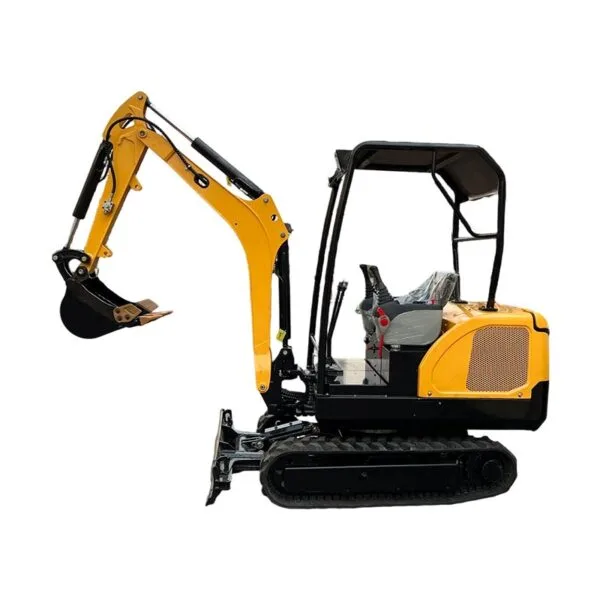
The decision between a 2 ton mini excavator and a 3 ton machine is not just about size—it directly impacts project efficiency, operational cost, transport logistics, and long-term ROI.
According to global construction equipment reports, compact excavators under 3.5 tons account for over 42% of total mini excavator sales worldwide, driven by rapid urbanization, landscaping demand, and small contractor expansion.
A 2 ton mini excavator is widely used in residential and narrow-space environments, while 3 ton machines dominate medium-duty construction projects requiring higher digging force and stability.
Global Market Overview: Compact Excavator Industry Trends
Market Growth Statistics (2025–2030 Forecast)
- Global mini excavator market CAGR: 4.8%–6.2%
- Asia-Pacific share: 55%+ global production
- Rental market penetration: up to 60% in Europe
- Small excavator demand growth: driven by urban infrastructure expansion
Industry Drivers
- Urban construction densification
- Smart city infrastructure projects
- Agricultural mechanization
- Rental equipment business expansion
Engineering Architecture Comparison: Mini excavadora de 2 toneladas vs 3 Ton
Structural Weight Distribution
| Parámetro | Mini excavadora de 2 toneladas | 3 Ton Excavator |
|---|---|---|
| Peso operativo | 1.8–2.2 tons | 2.8–3.5 tons |
| Ground Pressure | Lower | Higher |
| Stability Index | Medium | High |
| Frame Reinforcement | Estándar | Reinforced |
Engineering Insight
A 3 ton machine benefits from higher counterweight design, improving lifting stability but reducing maneuverability in confined environments.
Hydraulic System Performance Analysis
The hydraulic system is the core power transmission unit in both 2 ton mini excavator and 3 ton machines, directly determining digging efficiency, cycle speed, and load capacity.
Pump System Efficiency
Modern excavators use load-sensitive hydraulic pumps to optimize energy distribution.
- 2 ton mini excavator: 18–30 L/min hydraulic flow
- 3 ton excavator: 30–50 L/min hydraulic flow
Engineering Interpretation
Higher hydraulic flow in 3 ton machines enables:
- Faster cylinder response time
- Higher multi-function simultaneous operation capability
- Improved attachment compatibility (breaker, auger, grapple)
In real-world testing, a 3 ton system typically improves cycle efficiency by 15%–25% compared to 2 ton models under continuous load conditions.
Operating Pressure
- 2 ton: ~18–22 MPa
- 3 ton: ~22–28 MPa
Pressure Engineering Insight
Operating pressure determines the maximum force output of hydraulic actuators. Even a 3–5 MPa increase results in:
- Significant breakout force improvement
- Stronger bucket penetration in compact soil
- Better lifting stability under load
This is why the 3 ton excavator class is preferred in dense or rocky soil environments.
Engineering Impact
Higher hydraulic pressure directly increases:
- Bucket breakout force
- Arm lifting capacity
- Soil penetration efficiency
A 3 ton machine typically provides 35%–60% higher digging force compared to a 2 ton model.
Digging Performance & Force Analysis
Bucket Digging Force
- 2 ton mini excavator: 12–18 kN
- 3 ton excavator: 18–28 kN
Arm Reach & Depth
- 2 ton: ~2.2–2.8 meters
- 3 ton: ~2.8–3.5 meters
Engineering Explanation
In excavation engineering, force efficiency increases exponentially with machine mass due to:
- Hydraulic cylinder diameter increase
- Boom reinforcement structure
- Counterweight balance optimization
Fuel Consumption & Operational Efficiency
Fuel Usage Benchmark
| Machine Type | Consumo de combustible |
|---|---|
| Mini excavadora de 2 toneladas | 2.0–3.5 L/hour |
| 3 Ton Excavator | 3.5–5.5 L/hour |
Efficiency Insight
A 2 ton mini excavator delivers better fuel economy for light-duty tasks, reducing operating cost by up to 30%–40% annually in rental scenarios.
Application Engineering: Real-World Use Cases
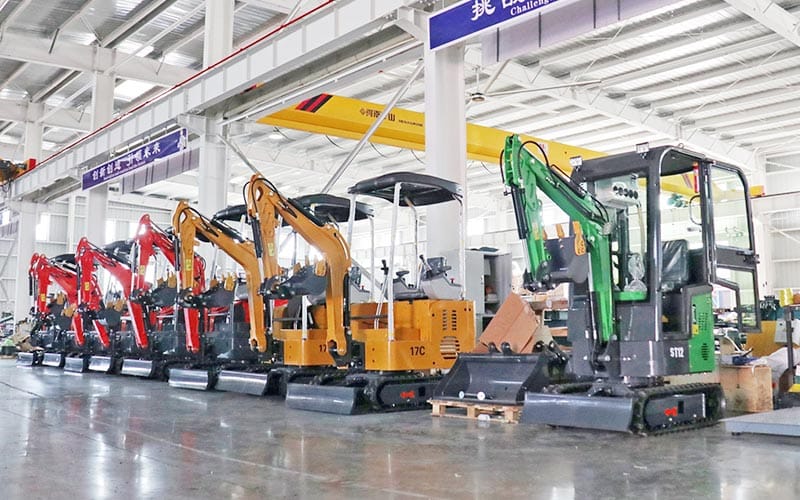
2 Ton Mini Excavator Applications
- Residential foundation trenching
- Indoor demolition in restricted spaces
- Landscaping and garden reshaping
- Fiber optic cable installation in narrow streets
- Greenhouse and agricultural micro-excavation
3 Ton Excavator Applications
- Road base excavation and leveling
- Utility pipeline trenching (water/gas/sewage)
- Small bridge foundation preparation
- Municipal drainage systems
- Light mining pre-excavation
Engineering Application Insight
The selection is not only about size but about load-cycle efficiency per project type.
- Short-cycle + precision work → 2 ton
- Continuous + heavy load work → 3 ton
Real Construction Case Studies
Case Study 1: Urban Landscaping Project (Japan)
- Machine: 2 ton mini excavator
- Task: park renovation
- Result: 25% faster completion due to high maneuverability
Case Study 2: Utility Pipeline Installation (Germany)
- Machine: 3 ton excavator
- Result: improved digging depth efficiency by 40%
- Reduced project time by 18%
Case Study 3: Rental Market Usage (USA)
- Fleet: mixed 2 ton & 3 ton units
- Observation:
- 2 ton machines used 65% of the time in urban projects
- 3 ton machines preferred for heavier soil conditions
Cost Structure Analysis
Purchase Cost Range
- 2 ton mini excavator: lower investment level
- 3 ton excavator: 20%–40% higher purchase cost
Maintenance Cost Breakdown
| Cost Factor | 2 Ton | 3 Ton |
|---|---|---|
| Hydraulic System | Low | Medium |
| Engine Maintenance | Low | Medium |
| Track Wear | Low | Higher |
| Total Lifecycle Cost | Lower | Higher |
Rental Market Dynamics
Industry Insight
The rental market strongly favors 2 ton mini excavators due to:
- Easy transport
- Low fuel consumption
- High urban demand
However, 3 ton machines dominate in:
- Long-term infrastructure projects
- Heavy-duty excavation tasks
Operator Experience & Control Systems
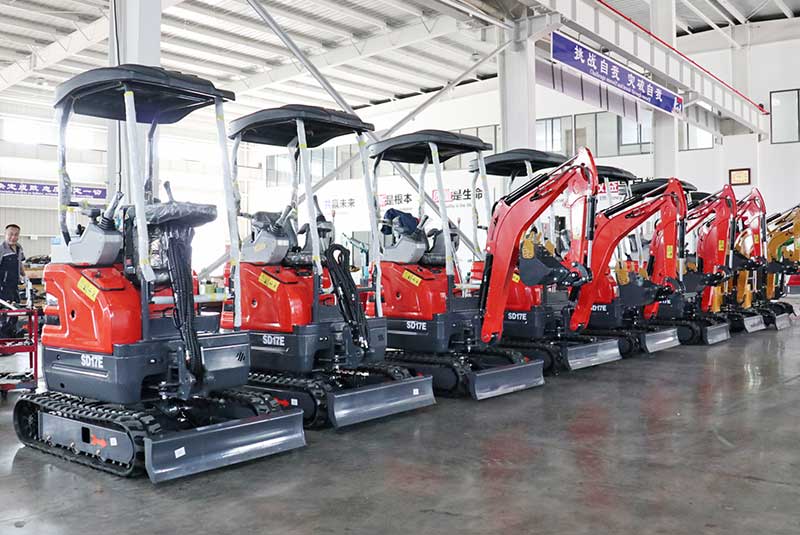
The operator experience is a critical factor that directly influences productivity, fatigue level, and long-term jobsite efficiency in both 2 ton mini excavator and 3 ton machine classes.
Modern excavators are no longer purely mechanical systems—they are integrated human-machine interfaces combining hydraulic responsiveness with electronic control logic.
2 Ton Machine Features
El 2 ton mini excavator is engineered with simplicity and precision in mind.
Key Control Characteristics
- Lightweight joystick response with minimal hydraulic lag
- Simplified control layout for fast operator training
- High sensitivity in micro-movement operations
- Reduced control resistance for repetitive tasks
Engineering Insight
This design philosophy prioritizes:
- Fine control accuracy in narrow environments
- Reduced operator fatigue during short-cycle tasks
- High responsiveness for landscaping and indoor work
In practice, operators can achieve higher precision in trench alignment and grading work compared to heavier machines in confined spaces.
3 Ton Machine Features
The 3 ton excavator integrates a more advanced hydraulic feedback structure.
Key Control Characteristics
- Strong hydraulic feedback resistance for better load awareness
- Enhanced stability during multi-axis movement
- Improved boom control under heavy digging conditions
- Better synchronization between arm, bucket, and swing functions
Engineering Insight
This system is designed for:
- High-load excavation accuracy
- Continuous digging in dense soil conditions
- Reduced instability during heavy lifting cycles
The operator receives more “physical feedback” through the controls, improving precision under stress loads.
Safety & Stability Engineering
Safety performance is a core engineering parameter in excavator design and is directly linked to structural mass distribution and hydraulic balance systems.
Stability Comparison
- 2 ton: optimized for flat terrain and narrow spaces
- 3 ton: designed for uneven and high-load environments
Engineering Insight
Machine stability is governed by three core parameters:
1. Counterweight Mass Distribution
Heavier counterweights in 3 ton machines reduce tipping risk during lifting operations.
2. Track Width Geometry
Wider tracks in 3 ton machines distribute ground pressure more effectively, improving balance.
3. Center of Gravity Height
Lower center of gravity improves stability during boom extension and side loading.
Dynamic Stability Insight
During real excavation cycles:
- 2 ton machines prioritize agility over load resistance
- 3 ton machines maintain structural balance under asymmetric load conditions
This makes the 3 ton class significantly more stable during lifting and deep trenching operations.
Safety Engineering Systems (Multi-Layer Protection Design)
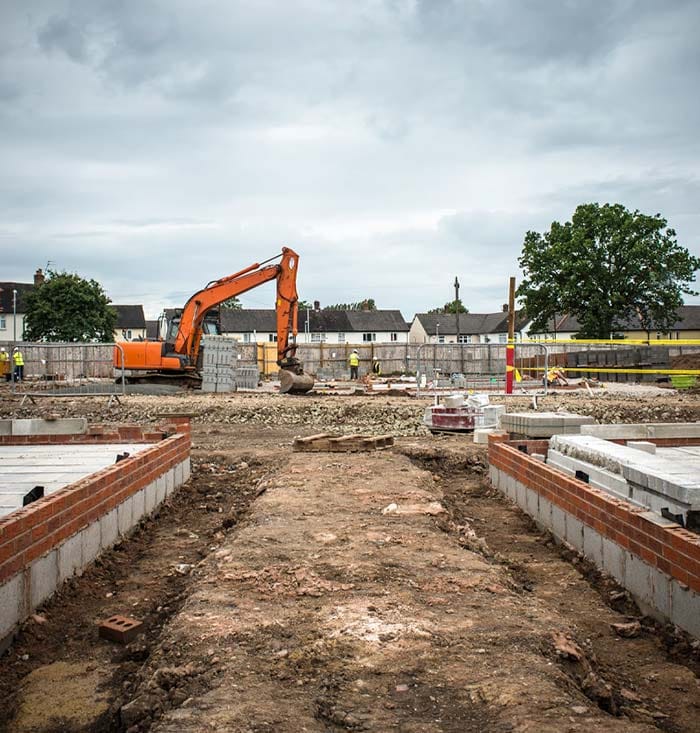
Modern excavators integrate multiple safety layers beyond structural stability.
Key Safety Systems
- Hydraulic lock protection system
- Boom safety valve (prevents sudden drop)
- Emergency stop control circuit
- Operator cabin rollover protection (ROPS/FOPS)
Engineering Purpose
These systems ensure:
- Prevention of uncontrolled hydraulic movement
- Operator survival in tipping or rollover scenarios
- Reduced mechanical failure risk under overload conditions
Procurement Decision Framework
Choose 2 Ton Mini Excavator If:
- Work is in urban or tight areas
- Transport flexibility is required
- Fuel efficiency is a priority
Choose 3 Ton Excavator If:
- Higher digging force is needed
- Projects involve hard soil or rock
- Stability is critical
Industry Standards & Compliance
Common international standards:
- ISO 12117 (excavator safety)
- ISO 6165 (classification of earth-moving machinery)
- CE certification (EU compliance)
These ensure:
- Structural safety
- Hydraulic system reliability
- Operator protection
Conclusion
The choice between a 2 ton mini excavator and a 3 ton machine depends on:
- Worksite conditions
- Project scale
- Budget constraints
- Operational efficiency needs
In summary:
- 2 ton mini excavator → Best for flexibility, urban projects, and cost efficiency
- 3 ton excavator → Best for power, stability, and heavy-duty applications
Both machines are essential in modern construction ecosystems, and selecting the right model directly impacts project success, cost control, and operational efficiency.
FAQ
Which is better for small construction projects?
The 2 ton mini excavator is more suitable due to its flexibility and low cost.
Does a 3 ton excavator use more fuel?
Yes, it consumes approximately 30%–50% more fuel than a 2 ton machine.
Can a 2 ton excavator handle heavy digging?
It can handle light to medium soil but is not ideal for hard rock excavation.
Which machine lasts longer?
Both have similar lifespans, but 3 ton machines may handle heavier workloads better.