Welcome to the Wanli Machinery Blog!
We share industry insights, equipment guides, and practical tips on construction machinery, engineering equipment, pneumatic tools, and landscaping machinery to help you make better equipment decisions.
👉 Follow Wanli Machinery on Facebook for the latest product updates, project cases, industry news, and expert knowledge. Stay connected with our global community and never miss new content.
Thank you for reading and welcome to explore more articles from Wanli Machinery!
Table of Contents
Before choosing a mini excavator for sale, buyers should look beyond the quoted price. A structured inspection helps confirm whether the machine matches the job, performs reliably, and will not create unexpected costs after delivery.
Key points covered in this guide:
- Define the required operating weight, digging depth, and working width.
- Inspect the engine, hydraulic system, undercarriage, boom, and bucket.
- Compare new and used machines based on total ownership cost.
- Test the excavator under realistic working conditions.
- Review specifications, warranty terms, spare parts, and supplier support.
- Confirm shipping dimensions and import documentation before ordering.
- Use a written checklist to compare machines from different suppliers.
Why Inspect a Mini Excavator Before Buying?
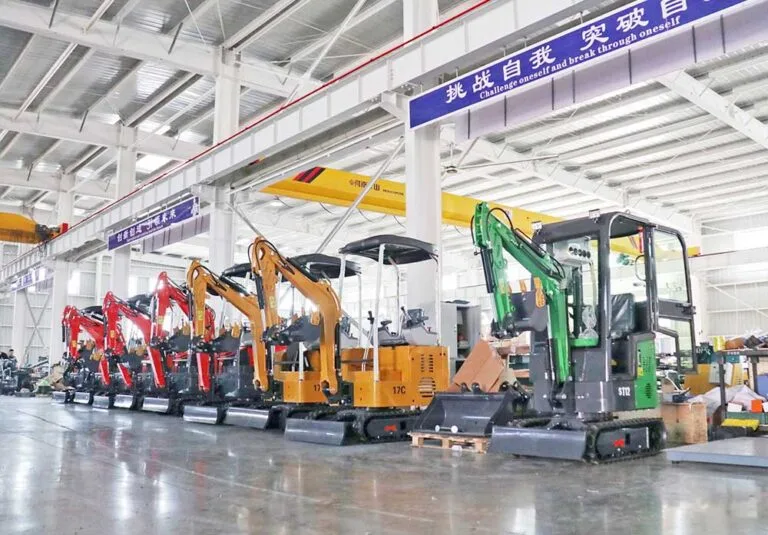
A low purchase price does not always mean good value. An unsuitable or poorly maintained excavator may consume more fuel, experience frequent downtime, or fail to perform efficiently in the buyer’s intended working environment.
Inspecting a mini excavator for sale also helps buyers compare different models using measurable criteria rather than appearance alone. This is especially important for contractors, equipment dealers, rental companies, and first-time importers.
Match the Machine to the Actual Job
Begin with the application rather than the machine. Landscaping, trenching, indoor demolition, farming, utility work, and road maintenance can require different operating weights, attachments, hydraulic flows, and tail-swing designs.
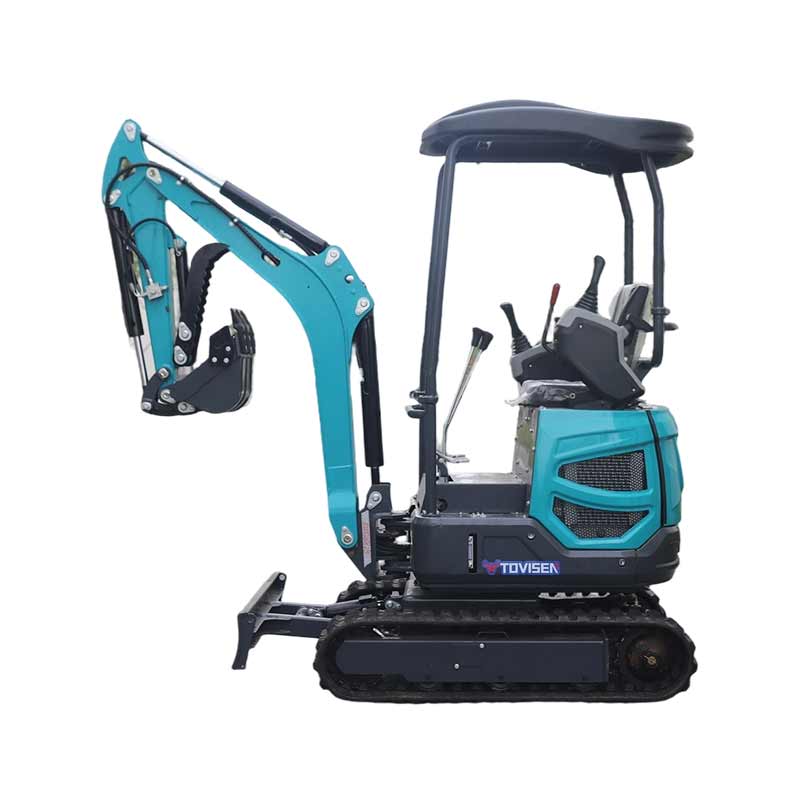
A compact model such as the 06Q mini excavator may suit confined areas and light excavation. Buyers who require more stability or working capacity can compare it with a larger compact mini excavator.
Questions to Ask Before Comparing Models
Write down the maximum digging depth, usual trench width, ground conditions, lifting needs, and site access width. These details prevent buyers from selecting a machine that is either underpowered or unnecessarily large.
Also consider how frequently the excavator will operate. A machine used occasionally on a farm may have different requirements from one working every day in a commercial rental fleet.
Mini Excavator for Sale: Basic Specification Checks
Product specifications provide the first screening layer. However, buyers should confirm what each figure means and whether the machine is tested under comparable conditions.
وزن التشغيل
Operating weight affects stability, transport, ground pressure, and digging performance. Check whether the stated figure includes a standard bucket, operator, fuel, cab, or canopy because calculation methods may differ between suppliers.
A lighter excavator is easier to transport and may cause less surface damage. A heavier machine generally provides greater stability, but it may require a larger trailer or different transport permits.
Digging Depth and Reach
Maximum digging depth indicates how far the bucket can excavate vertically under specified conditions. Maximum reach describes the horizontal working range of the boom and arm.
Do not select a machine that only just meets the required depth. Real job-site positioning, uneven ground, and attachment choice can reduce the usable working range.
Machine Width and Tail Swing
Overall width matters when working through gates, between buildings, or inside greenhouses and factories. Confirm whether the published width is measured with the blade extended or retracted.
Zero-tail-swing and reduced-tail-swing designs can improve access in confined spaces. Conventional-tail-swing machines may offer simpler layouts or greater counterweight balance, depending on the model.
Engine and Hydraulic Output
Engine power should be considered together with hydraulic pressure, pump flow, and machine weight. A higher horsepower figure alone does not guarantee faster digging or smoother attachment operation.
Ask whether the auxiliary hydraulic circuit supports the attachments you plan to use. Hydraulic breakers, augers, grapples, and tilt buckets can have different pressure and flow requirements.
Essential Walk-Around Inspection Checklist
A physical or video-assisted walk-around can reveal damage that is not visible in product specifications. If the inspection is remote, request close-up videos recorded in natural light rather than relying only on promotional photographs.
| Inspection area | What to check | Warning signs |
|---|---|---|
| محرك | Starting, idle stability, exhaust and fluid levels | Hard starting, knocking or continuous smoke |
| Hydraulics | Hoses, fittings, cylinders and pump response | Leaks, cracked hoses or slow movement |
| Undercarriage | Tracks, rollers, sprockets and tension | Uneven wear, missing rubber or loose tracks |
| Boom and arm | Welds, pins, bushings and alignment | Cracks, repairs or excessive side movement |
| Bucket | Teeth, cutting edge and linkage | Uneven wear or damaged mounting points |
| Controls | Joysticks, pedals, gauges and switches | Delayed response or warning lights |
| Safety equipment | Seat belt, lockout lever and guarding | Missing, modified or damaged components |
| Documents | Serial number, manuals and service records | Mismatched or incomplete information |
Check the Engine When Cold
Ask the seller not to warm the engine before the inspection. A cold start can expose weak batteries, fuel-system problems, difficult starting, or excessive smoke that may be less noticeable after warm-up.
Observe the exhaust during startup and acceleration. A brief change in exhaust color may occur, but persistent blue, white, or heavy black smoke requires further investigation.
Listen Before You Operate
Allow the engine to idle and listen for irregular knocking, rattling, or fluctuating speed. Check the dashboard for warning indicators and confirm that gauges display normal readings.
Look around the engine compartment for fresh cleaning, wet surfaces, or heavy oil deposits. A recently cleaned area is not automatically a problem, but it deserves closer inspection.
Inspect the Hydraulic System
Hydraulic performance directly affects digging strength, cycle speed, and attachment operation. Examine hoses for abrasion, cracks, bulges, and makeshift repairs, especially where they bend during boom movement.
Cylinder rods should be straight, smooth, and free from deep scratches or corrosion. Oil around seals may indicate leakage, although a qualified technician should determine the severity.
Examine the Undercarriage
The undercarriage works continuously in soil, gravel, mud, and debris. Its condition can significantly influence future maintenance costs, particularly when several rollers, sprockets, or tracks need replacement together.
Inspect both sides instead of assuming wear is even. Unequal track wear may result from working habits, poor adjustment, damaged components, or frequent operation on slopes.
Rubber Tracks vs Steel Tracks
Rubber tracks are suitable for landscaping, paving, and sites where reduced surface damage matters. They can, however, be vulnerable to sharp demolition debris and abrasive ground.
Steel tracks usually provide durability and traction in demanding conditions, but they are heavier and can damage finished surfaces. The right choice depends on the job site rather than price alone.
Inspect the Boom, Arm, Bucket, and Attachments
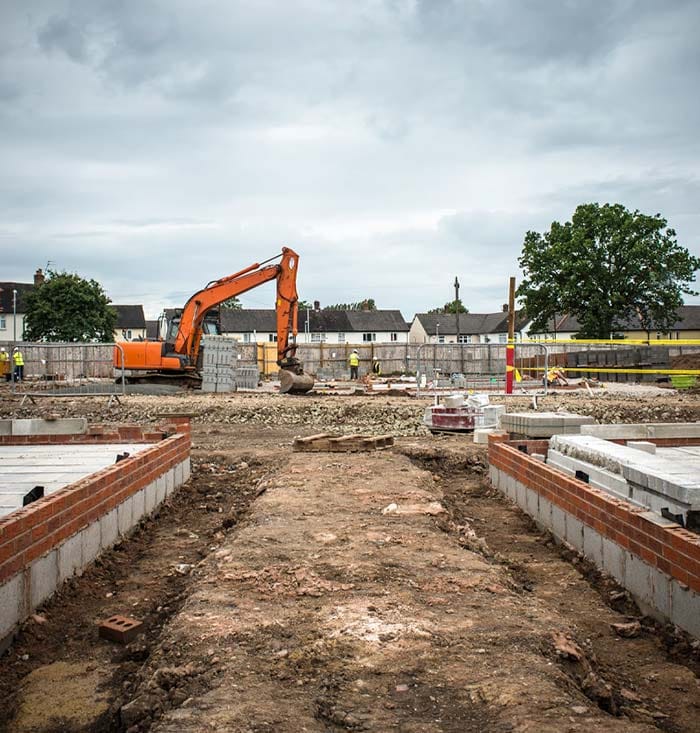
Structural components carry repeated digging and lifting loads. Inspect welds and high-stress areas around the boom base, arm connection, bucket linkage, and cylinder mounts.
Cracks, bent metal, nonstandard welds, or misaligned components can suggest impact damage or heavy previous use. Normal cosmetic scratches are less important than deformation or structural repair.
Check Pins and Bushings
Move the boom, arm, and bucket slowly while watching each joint. Excessive movement between pins and bushings can reduce digging accuracy and indicate the need for maintenance.
Some movement may be normal, depending on the design and hours of use. Compare both visual movement and operating feel rather than judging from sound alone.
Confirm Attachment Compatibility
Buyers planning to use multiple tools should check the pin diameter, pin spacing, arm width, quick-coupler type, hydraulic flow, and return-line requirements. Similar-looking attachments are not always interchangeable.
The wider Wanli construction equipment range can help buyers compare compact machines and supporting equipment for different construction applications.
How Should You Test a Mini Excavator for Sale?
A proper test should include more than starting the engine and moving the tracks. Operate the machine until it reaches normal working temperature and perform several combined movements.
Test Every Function
Raise and lower the blade, rotate the upper structure, extend the arm, curl the bucket, and travel in both directions. Test straight travel and gradual turns at low and higher speeds where conditions allow.
Controls should respond smoothly without excessive delay, vibration, or unexpected drift. Ensure that the test is performed by a trained operator in a safe, open area.
Perform a Digging Test
Use the bucket in material similar to the intended application when possible. Observe whether the machine maintains engine speed, hydraulic response, balance, and traction under load.
A no-load demonstration may not reveal weak digging performance. If an in-person test is impossible, request one continuous video showing startup, travel, rotation, blade movement, and digging.
Check for Hydraulic Drift
Raise the boom and hold the attachment in a safe position according to the manufacturer’s procedures. Unexpected or rapid movement can indicate internal leakage, valve problems, or cylinder-seal wear.
Never stand beneath a raised boom or bucket. OSHA’s general rules for construction equipment state that raised machinery components must be properly lowered, blocked, or secured before personnel work beneath them. Buyers can review the relevant OSHA construction equipment requirements and follow all local regulations and manufacturer instructions.
New vs Used Mini Excavator Comparison
The right choice depends on budget, expected utilization, maintenance capability, and tolerance for downtime.
| Buying factor | New mini excavator | Used mini excavator |
|---|---|---|
| Initial price | Usually higher | Usually lower |
| Component wear | Minimal | Depends on hours and previous use |
| Warranty | Commonly available | May be limited or unavailable |
| Maintenance history | Not required | Essential to review |
| Custom configuration | Easier to arrange before production | Limited to existing setup |
| Immediate availability | Depends on production schedule | May be ready sooner |
| Repair risk | Generally lower at the beginning | Requires a thorough inspection |
When Does a New Machine Make Sense?
A new excavator may be more suitable for rental fleets, long-term projects, or businesses that require predictable availability. Buyers can specify the engine, canopy, track type, attachments, color, and other options before production when customization is available.
When Can a Used Machine Be Good Value?
A used machine can be cost-effective when its condition, service history, hours, and ownership records are verifiable. The discount should be large enough to account for wear, limited warranty coverage, and possible repairs.
Caterpillar’s certified used inspection criteria illustrate the types of areas buyers should evaluate, including the cab, undercarriage, cylinders, hoses, safety equipment, and ground-engaging tools. These criteria can serve as a useful reference even when comparing machines from other manufacturers.
Supplier and Documentation Checks
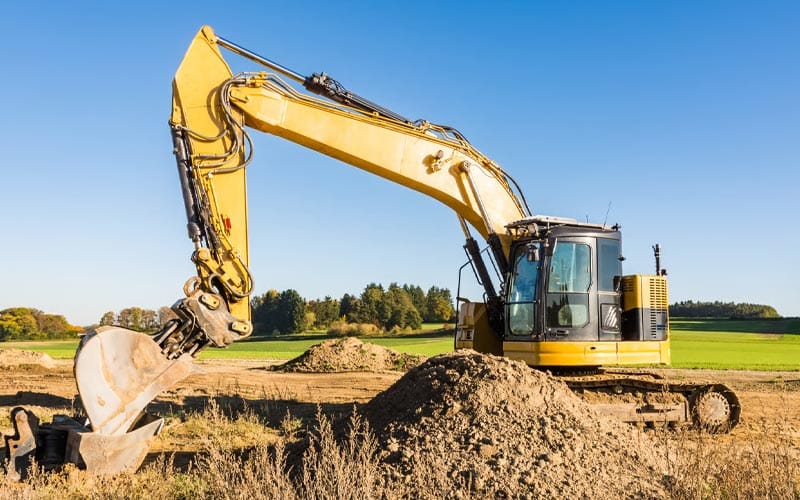
Inspecting the machine is only one part of a reliable purchase. The supplier’s ability to provide accurate information, replacement parts, manuals, and after-sales communication also affects long-term ownership.
Verify the Machine Configuration
Request a written specification sheet identifying the model, operating weight, engine, bucket capacity, track type, attachments, and optional equipment. Confirm which items are included in the quotation.
Do not assume that accessories shown in photographs are included. Ask for the final configuration to appear on the proforma invoice or sales contract.
Review Warranty Coverage
A warranty should state its duration, covered components, excluded items, and claim procedure. Buyers should also understand who pays for international freight, local labor, diagnostic work, and replacement-part delivery.
Ask About Spare Parts Before Ordering
Confirm the availability of filters, seals, hoses, track components, bucket teeth, pins, and electrical parts. Ask the supplier to provide part numbers and recommended service intervals for routine maintenance.
Confirm Export and Shipping Details
Request packing dimensions, gross weight, loading method, destination port, trade terms, and estimated production time. Importers should also verify whether the machine’s engine, safety labeling, and documentation meet the rules of the destination market.
Common Buying Mistakes to Avoid
Choosing by Price Alone
Two quotations may represent different engines, attachments, warranties, or hydraulic configurations. Compare the complete delivered package instead of relying on the headline price.
Ignoring Transport Limitations
A machine that performs well may still be unsuitable if it cannot pass through the job-site entrance or fit the buyer’s trailer. Check transport weight and dimensions before placing the order.
Accepting Edited Test Videos
Short, heavily edited videos can hide cold-start behavior, warning lights, slow hydraulic functions, or travel problems. Request a continuous inspection video with the machine model and serial number visible.
Skipping Local Service Planning
Even a new machine requires filters, fluids, wear parts, and periodic servicing. Before selecting a mini excavator for sale, determine who will perform routine maintenance and how quickly essential parts can be obtained.
Final Mini Excavator Buying Checklist
Before confirming an order, make sure you can answer “yes” to the following questions:
- Does the operating weight suit my project and transport method?
- Can the machine reach the required digging depth?
- Will it fit through the narrowest site entrance?
- Does the auxiliary hydraulic circuit support my attachments?
- Were all functions tested at normal operating temperature?
- Are the engine and hydraulic systems free from significant leaks?
- Are the tracks and undercarriage wearing evenly?
- Are the boom, arm, welds, pins, and bushings in acceptable condition?
- Are the serial number and configuration clearly documented?
- Are warranty coverage and excluded items explained in writing?
- Can the supplier provide manuals and replacement parts?
- Have shipping costs and import requirements been confirmed?
Conclusion
Finding the right mini excavator for sale requires a balance of machine suitability, mechanical condition, supplier reliability, and total ownership cost. A careful inspection reduces uncertainty and helps buyers avoid choosing equipment that looks affordable but does not match their work.
Use a consistent checklist, document every important specification, and request clear operating evidence before payment. Buyers who need help comparing models can explore Wanli’s mini excavator and construction machinery options or contact the supplier with their required operating weight, digging depth, attachments, and destination market.
FAQ
What should I check first when buying a mini excavator?
Start by confirming that the operating weight, dimensions, digging depth, and hydraulic capacity match your job. After that, inspect the engine, hydraulics, undercarriage, structure, controls, and documentation.
How can I inspect a mini excavator when buying online?
Ask for a continuous video showing a cold start, dashboard, engine compartment, hydraulic cylinders, undercarriage, boom joints, travel, rotation, blade movement, and digging. Request close-up photographs of the serial number and any visible wear or repairs.
Is the number of operating hours enough to judge condition?
No. Operating hours provide useful context, but maintenance quality, application, operator habits, and storage conditions also influence wear. A lower-hour machine that was poorly maintained may be less valuable than a higher-hour machine with complete service records.
How many hours are too many for a used mini excavator?
There is no universal cutoff. The acceptable number depends on the machine’s age, maintenance history, workload, component condition, price, and availability of parts. A professional inspection is more reliable than using hours as the only decision factor.
Should I buy a 1-ton or 2-ton mini excavator?
A 1-ton model is easier to transport and can access very narrow spaces. A 2-ton machine generally offers greater stability, reach, digging capacity, and operator comfort, but it requires more transport capacity and working space.
What documents should an international buyer request?
Ask for the commercial invoice, packing list, contract, machine specification, serial-number information, warranty terms, operating manual, maintenance schedule, and applicable export documents. Required import documents vary by destination, so confirm them with a local customs professional.
Can I use any hydraulic attachment on a mini excavator?
No. The attachment must match the excavator’s hydraulic pressure, oil flow, weight limit, coupler dimensions, and return-line requirements. An incompatible attachment can perform poorly or damage the hydraulic system.